 English
 العربية
 Deutsch
 Español
 Français
 Italiano
 Português
 Русский
 Türkçe
 Tiếng Việt

Text Content Tools And It's Importance
Text content tools and its works
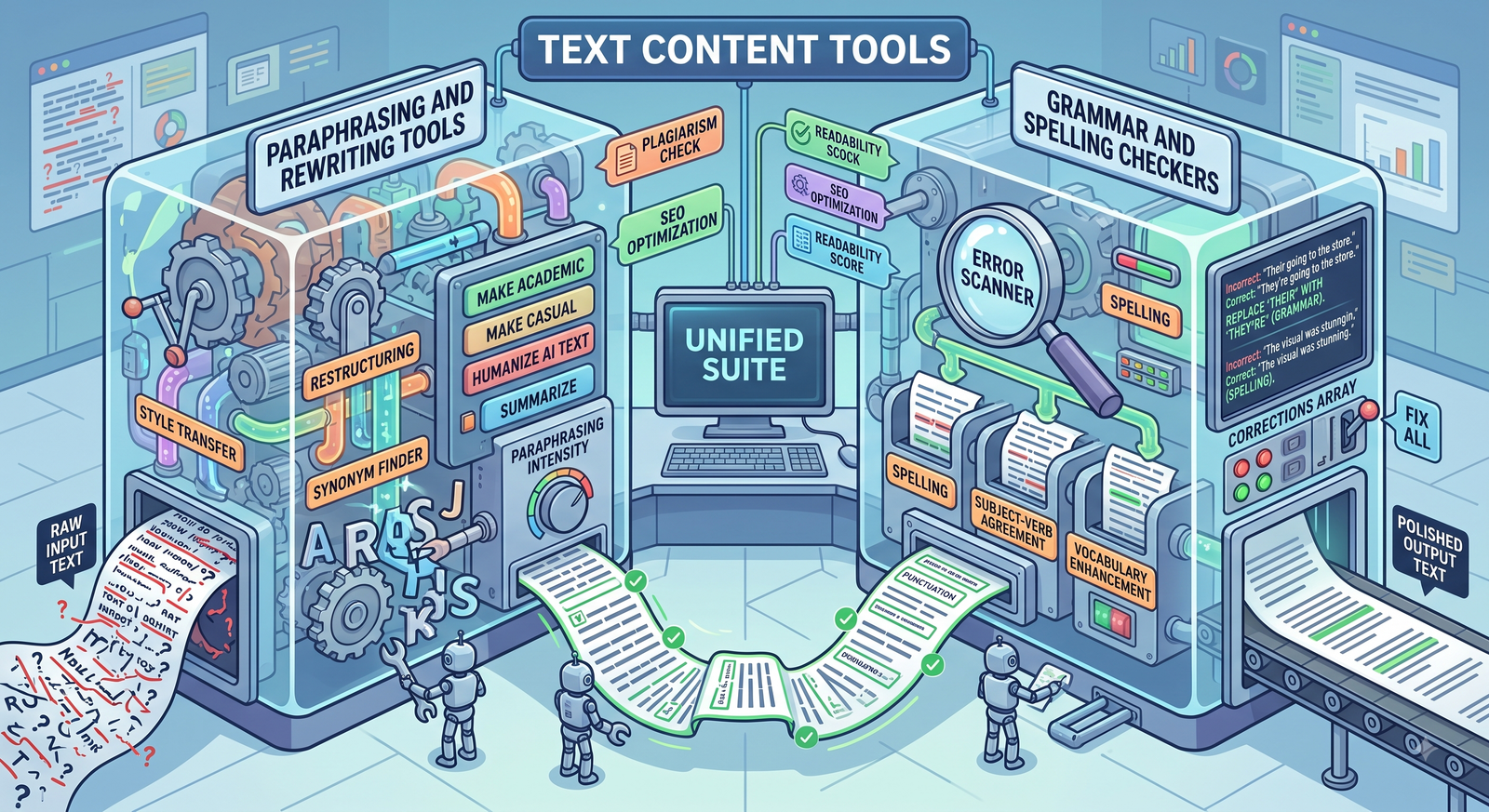
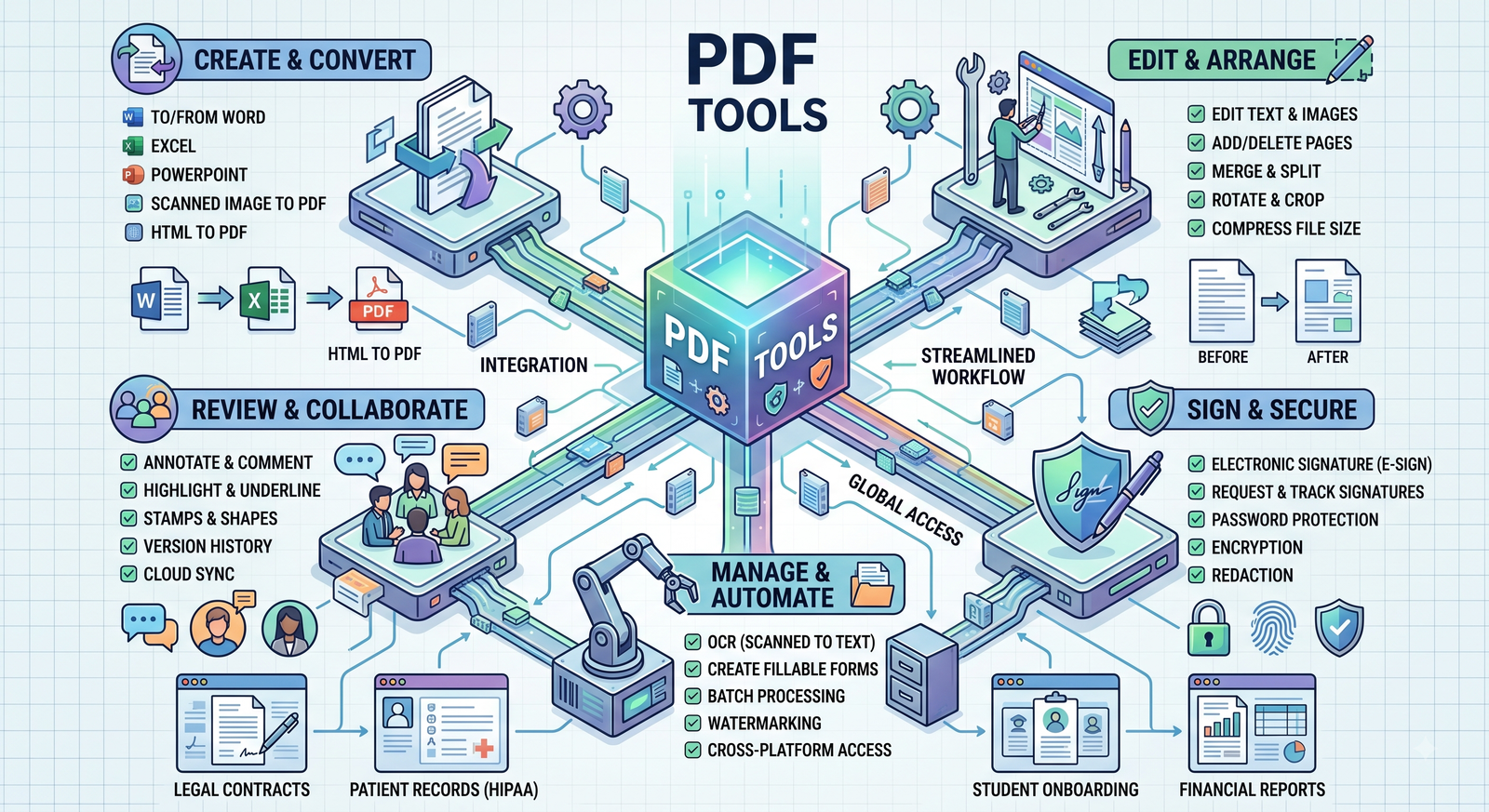
Text Content Tools: Writing content may look easy from the outside, but who write regularly articles, website pages, social media posts, emails, or other online material knows how much difficult is it. Finding the right words for content is only one part of the process. We also need correct grammar, clear sentences, proper formatting, and a natural flow. This is where we need text content tools. Text content tools are online designed website or available in apps format to help people create, edit, improve, organize, and analyze written content. Some checks the grammar and spelling, while others help us rewriting, summarizing, generating ideas, checking readability, or counting words. Now a days modern tools use artificial intelligence to make these work faster.
Definition: Text content tools are basically digital assistants for writing improvement. Instead of opening different programs for every small writing work, we can use specific online tools to handle common text problems.
Example, we may use a grammar checker to find spelling mistakes, a paraphrasing tool to rewrite sentences, a word counter to check article size, or a summarizer to short a long document. Some platforms combine several of these functions in one place.
This can be useful for the bloggers, the students, website owners, marketers, developers, freelancers, and business professionals who work with written content daily.
Grammar and Spelling Checkers: Grammar checkers are among the most common writing tools. They can identify spelling mistakes, punctuation problems, grammatical errors, and certain wrong sentences. These tools are useful when we need to write an emails, blog posts, reports, product descriptions, or website content. This can also be helpful for people who need improve their English writing skills. The suggestions should not always be accepted automatically. A tool may misunderstand the context or recommend wording that changes the writer's intended meaning.
Paraphrasing and Rewriting Tools: Paraphrasing tools help us to rewrite the existing sentences keeping the original idea. This can be useful when a sentence found repetitive or when we want to express the same idea in different ways.
Example, instead of saying, "This tool makes writing skill easier," a rewriting tool can suggest us something like, "This tool simplifies the skill of writing process."
The important thing is we have to review the rewritten text carefully. Automatic rewriting can sometimes change the original meaning, especially when the subject has technical or important information.
Summarizing Tools: Summarizers are useful when we have to deal with long documents. This can reduce large amounts of text into shorter versions containing the main points. It is useful for students to understand lengthy materials, it also good for professionals to use for quick review of reports or documents. Content creators can be also using summaries when they have to prepare the introductions, descriptions, or short versions of longer articles. A summary should be checked against the original source, especially when we need accuracy.
Word and Character Counters: Word counters are simple but useful tool. There are several websites which have specific word limits, and we often need to stay within a particular word limit range. A word counter can show us the number of words, the characters, sentences, and sometimes it shows paragraphs in a piece of word written content. This makes it easier to prepare blog articles, advertisements, social media posts, essays, and other text with specific length which we have required.
Readability Tools: A readable article is easier for visitors of website and they can understand. Readability tools examine the sentences length, difficult words, passive constructions, and overall complexity. For online writing, this can be useful because many readers prefer short paragraphs and simple understanding language.
AI Writing Tools: Website owners have a particularly strong reason to use these text content ai tools. A website creates with dozens or hundreds of pages, and maintaining consistent quality across all of them can be difficult and frustrated. These tools can help as product descriptions, blog posts, headings, meta descriptions, proofreading, and content organization. SEO-oriented editing tools can also help us to make content easier for both readers and search engines to understand the sentence. An AI tool can provide a starting point which can also help to create different versions of a headline or suggestion to improve a paragraph. AI should be treated as an assistant of human rather than a complete replacement for human. A person should be checking the facts, remove the unnecessary wording, and has to make sure the final article actually sounds natural. Website owners have a particularly strong reason to use text content tools.
Title and Headline Generators: A strong title can make a huge difference, especially when publishing the online content. Title generators help us to come up with headlines based on a topic or keyword. This can be useful when we have good information but we cannot think of an interesting way to represent it. Some tools provide many headline ideas with different types of styles, like informative, simple, professional, or attractive. The best headlines are not always the most dramatic. It should be accurate describe the content and give readers a clear reason to continue reading.
Content Idea Generators: Sometimes the hardest part of writing is deciding what we have to write about. Content idea generators are designed to help us to solve this problem.
We can enter a general subject like, technology, gaming, business, education, or travel, and the tool can suggest possible article topics. This can be helpful for bloggers and website owners who need to publish new contents regularly.
Instead of staring at a blank page, we can use these suggestions as a starting point and develop our own ideas from them.

Ark
CEO / Co-Founder
Popular Tools
Recent Posts